
Stopping Cracks Before Structural Failure
Concrete Repair in San Tan Valley for driveways and slabs showing settlement and surface spalling
Arizona freeze-thaw cycles during winter months and monsoon water infiltration accelerate concrete deterioration, turning hairline cracks into structural problems when left unaddressed. You see this as surface spalling where the top layer flakes away, settlement cracks that widen seasonally, or sections that have dropped below surrounding grade after soil erosion during summer storms. Premium Pavers LLC diagnoses concrete failure patterns and applies repair techniques matched to soil movement and moisture conditions common in San Tan Valley residential properties.
Crack assessment determines whether damage results from surface-level wear or underlying base failure, since each requires different repair approaches. Patching material selection depends on crack width, depth, and whether the repair area experiences thermal stress or water exposure, with resurfacing used when spalling has compromised structural integrity across larger sections.
Arrange an evaluation to assess your concrete damage and determine whether repair or replacement is appropriate.
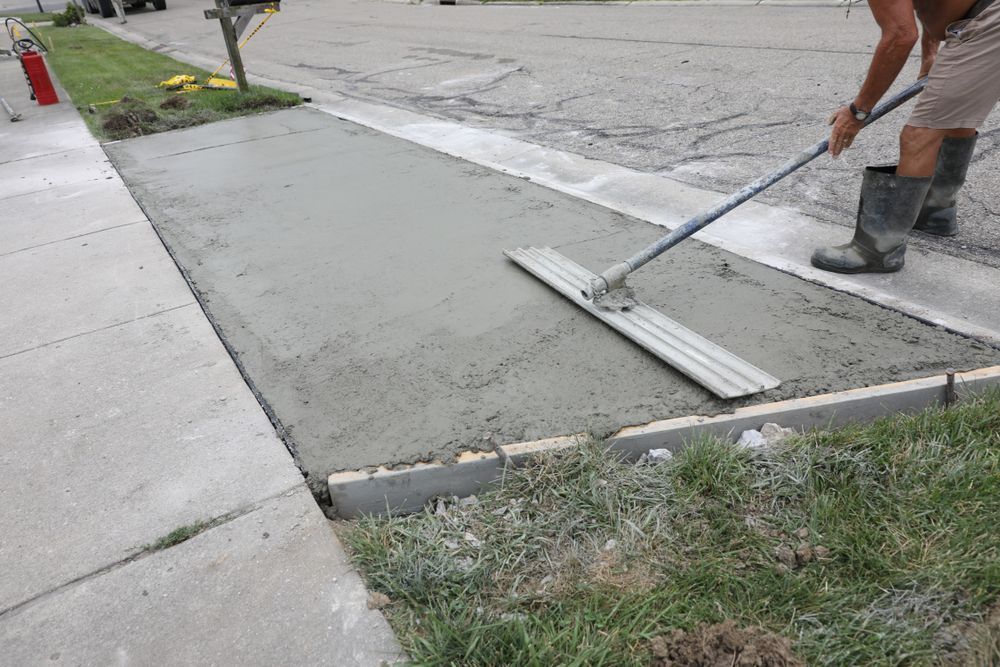
What Concrete Repair Actually Accomplishes
Repair sequencing accounts for monsoon season timing because moisture in existing cracks prevents proper adhesion of patching materials, requiring work to be completed during dry periods when concrete is stable. Material selection includes polymer-modified compounds for areas experiencing movement and epoxy injections for structural cracks where load transfer must be restored. The process addresses visible damage while evaluating whether underlying soil conditions will cause continued failure if base issues remain unresolved.
After repair, cracks are filled and sealed to prevent water infiltration during future monsoon events, and spalled areas are resurfaced to restore structural thickness and appearance. The repaired section no longer allows moisture penetration that would worsen during winter temperature swings, when water freezing in cracks expands and widens existing damage. Surface levelness is restored in settled areas, eliminating trip hazards and preventing water from pooling against structures.
Repair effectiveness depends on addressing the underlying cause of failure, whether soil erosion, inadequate base preparation, or drainage problems that direct water under the slab. Premium Pavers handles repair timing around seasonal weather patterns to ensure materials cure properly before exposure to temperature extremes.
Answers to Frequent Service Questions
Clients in the region typically want to know when repair is sufficient versus when replacement becomes necessary.
What crack size requires immediate repair in San Tan Valley?
Cracks wider than one-quarter inch allow water infiltration that accelerates damage during freeze-thaw cycles, making timely repair critical before monsoon season begins.
How does soil movement cause concrete failure here?
Expansive clay soils common in the area swell when wet and contract when dry, creating pressure that cracks slabs not designed with adequate control joints or base preparation.
Why does spalling occur on concrete surfaces?
Freeze-thaw cycles cause moisture trapped near the surface to expand, breaking the bond between aggregate and cement paste, which results in the top layer flaking away.
When is resurfacing better than patching?
When spalling or surface damage covers more than 30 percent of the area, resurfacing restores uniform thickness and appearance more effectively than multiple patch repairs.
How long do concrete repairs last in Arizona's climate?
Properly executed repairs using materials matched to regional stress patterns typically last five to ten years before requiring reapplication, assuming drainage issues are also addressed.
Premium Pavers LLC applies expertise in concrete behavior under regional climate stress to every repair project, ensuring materials and methods match the specific failure pattern observed. Request a site consultation to review your concrete condition and receive a detailed repair plan.
