
Surfaces That Stay Safe and Functional
Paver Cleaning and Maintenance in San Tan Valley for hardscapes where dirt buildup creates slip hazards
Dirt and algae accumulate on paver surfaces during monsoon humidity, creating slick conditions near pool decks and entryways where foot traffic is frequent. The service removes contaminants that degrade joint sand and trap moisture against the paver surface, which accelerates material breakdown during freeze-thaw cycles. You need this maintenance when surfaces appear discolored, joints show vegetation growth, or water no longer drains cleanly through gaps between pavers.
Pressure cleaning removes embedded dirt without damaging paver surfaces, followed by surface inspection to identify settling, joint erosion, or individual pavers that require releveling. Maintenance recommendations include seasonal preparation steps before monsoon rains and summer heat cycles, both of which stress paver installations differently based on moisture and temperature.
Schedule a surface inspection to assess your hardscape's current condition and determine what maintenance steps are needed.
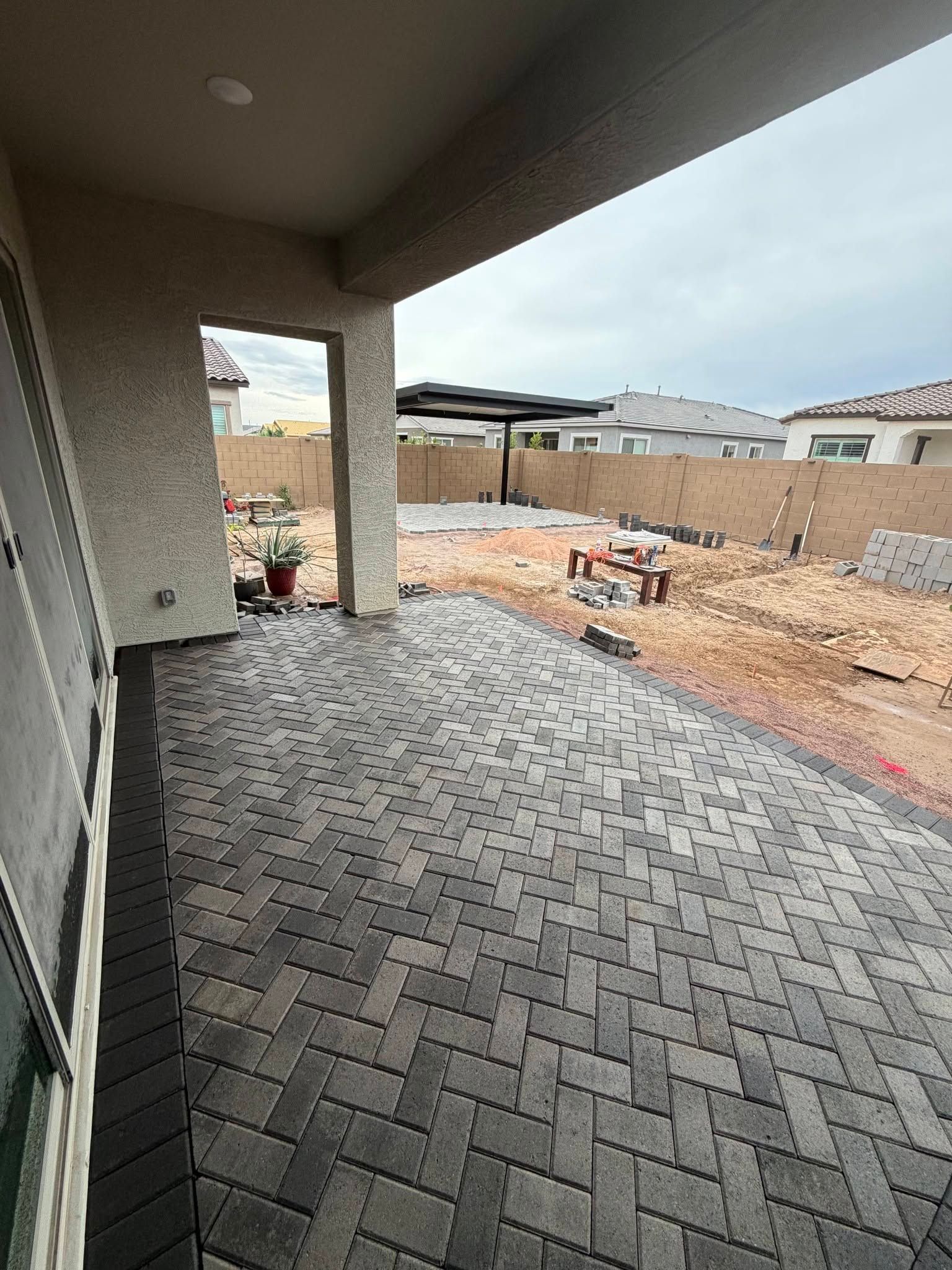
What Proper Paver Maintenance Requires
Cleaning involves adjusting pressure settings based on paver material and age, since older installations with weathered surfaces require gentler treatment than recently installed hardscapes. Joint sand inspection reveals whether base material has eroded, which happens when water flows through joints during monsoon storms and carries filler material away from high-traffic areas.
After cleaning, the paver surface shows its original color and texture, and water drains quickly through joints instead of pooling on top. Joint sand levels are restored where erosion occurred, which prevents individual pavers from shifting under foot traffic. The surface provides better traction because algae and organic buildup are removed, reducing slip risk during morning dew or after irrigation cycles.
Maintenance does not address structural issues like base failure or large-scale settling, which require removal and reinstallation rather than cleaning. Premium Pavers offers post-installation maintenance plans that schedule work around regional climate patterns, ensuring your hardscape receives care before and after stress periods.
Common Questions About This Service
Homeowners in the area often ask about cleaning frequency and what signs indicate maintenance is overdue.
How often should pavers be cleaned in San Tan Valley?
Annual cleaning before monsoon season prevents buildup that traps moisture and accelerates joint erosion, though high-traffic areas or pool decks may require more frequent attention.
What causes algae growth on pavers in Arizona?
Monsoon humidity combined with shaded areas creates conditions where algae colonize paver surfaces, particularly on north-facing hardscapes that stay damp longer after rain events.
Why do joints lose sand over time?
Water flowing through joints during storms carries sand into surrounding landscape areas, with erosion worsening in installations where initial joint compaction was inadequate.
What pressure setting is safe for paver cleaning?
Settings between 1,500 and 2,500 PSI remove dirt without damaging most paver surfaces, though natural stone and aged concrete pavers require lower pressure to prevent surface etching.
How does maintenance extend paver lifespan?
Removing contaminants prevents moisture retention that causes freeze-thaw damage, and maintaining joint integrity keeps individual pavers from shifting, which would otherwise lead to uneven surfaces and trip hazards.
Premium Pavers LLC understands long-term paver care requirements in regional climate conditions and integrates maintenance timing with seasonal weather transitions. Arrange a property visit to review your hardscape maintenance needs and establish a care schedule.