
Surfaces Designed for Barefoot Safety and Heat
Pool Deck Pavers in San Tan Valley for pool areas requiring slip resistance and heat-reflective surfacing
Extreme summer heat requires heat-resistant materials and proper slip-resistant surfacing, while monsoon water management becomes critical around pool areas where drainage failures create safety hazards and structural damage. Premium Pavers LLC installs pool deck pavers designed for Arizona heat, slip resistance, and monsoon drainage throughout San Tan Valley and Queen Creek. The structural base design directs water drainage away from pool areas and prevents the pooling that makes surfaces slippery and accelerates material degradation through freeze-thaw damage.
Material selection for heat and safety determines which pavers remain comfortable for barefoot traffic during summer afternoons when surface temperatures on darker materials exceed 140 degrees. Installation includes attention to thermal expansion requirements, with spacing and jointing that accommodate movement as temperatures swing from nighttime lows to afternoon peaks. The owner manages complex logistics for specialty paver sourcing and understands regional material performance requirements that separate appropriate selections from materials that fail under Arizona exposure.
Schedule a material consultation to evaluate heat performance and slip resistance options for your pool deck.
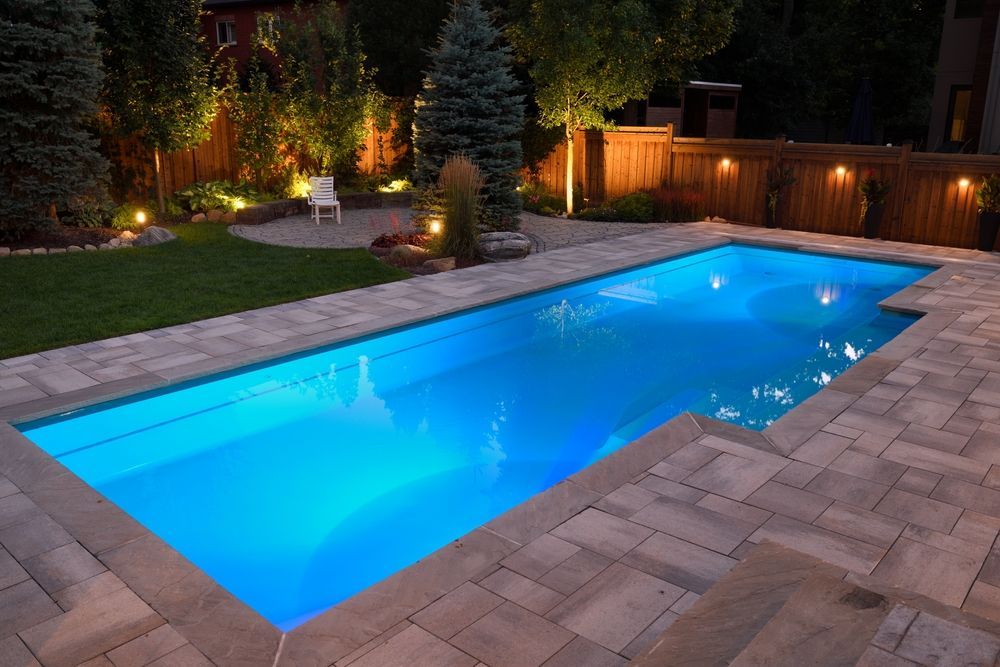
The Difference Between Standard and Engineered Pool Decks
Structural base design accounts for water drainage away from the pool, soil bearing capacity under saturated conditions during monsoon season, and thermal expansion that occurs as pavers heat and cool through daily temperature cycles. Material selection involves paver color, texture, and composition, with lighter colors reflecting more solar energy and textured surfaces providing slip resistance when wet, both critical for safety around pools where water contact creates constant slip hazards.
Once installation completes, you notice surfaces remain cool enough for barefoot walking even during afternoon hours when surrounding concrete radiates stored heat. Water drains away from the pool area during storms instead of pooling along the deck edge where swimmers enter and exit. The surface maintains slip resistance when wet from pool splashing or monsoon rain, and joints between pavers accommodate thermal expansion without buckling or creating trip hazards as materials move through temperature cycles.
Installation with attention to thermal expansion includes spacing that allows pavers to expand during peak heat without creating pressure points that cause cracking or displacement. Drainage design integrates with pool equipment placement and existing landscape grading to move water away from structures. Material specifications account for chlorine exposure from pool water and UV degradation from constant sun exposure that affects color stability and surface integrity over time.
Common Questions About This Service
Pool deck installations raise specific questions about heat performance, slip resistance, and drainage engineering that differ from other hardscape projects due to constant water exposure and barefoot traffic patterns.
What makes certain pavers more slip-resistant around pools?
Textured surfaces provide mechanical grip when wet, with specific texture patterns and paver compositions offering different slip resistance levels, and material selection must balance slip resistance with comfort for barefoot traffic that occurs constantly around pool areas.
How hot do pool deck pavers get during San Tan Valley summers?
Surface temperature depends on paver color and composition, with darker materials reaching 140 degrees or higher during afternoon hours, while lighter-colored pavers with higher reflectivity remain 20 to 30 degrees cooler and more comfortable for barefoot use.
What drainage design prevents water pooling around pool decks?
Structural base includes slope percentages that direct water away from the pool perimeter toward drainage exits, with adequate capacity for both pool splashing and monsoon runoff, preventing standing water that creates slip hazards and damages paver joints through repeated saturation.
When should thermal expansion be addressed in pool deck design?
Thermal expansion occurs daily as pavers heat and cool, so installation must include proper spacing and flexible jointing that accommodates movement without creating pressure points that cause cracking, buckling, or displacement visible as raised edges or separated joints.
What specialty materials does pool deck installation require in San Tan Valley?
Premium Pavers manages logistics for specialty paver sourcing, including materials formulated for heat reflectivity, chlorine resistance, and UV stability, with availability and lead times affecting project scheduling based on material selection and supplier inventory.
Premium Pavers LLC installs pool deck pavers with material selection and structural engineering specific to Arizona heat and monsoon conditions. Arrange an on-site assessment to review your pool area's drainage requirements and material performance needs.