
Walls Engineered for Soil Load and Water
Retaining Wall Installation in San Tan Valley for properties with grade changes exposed to monsoon runoff and soil movement
Extreme summer heat, freeze-thaw cycles, and heavy monsoon rain demand engineered drainage and proper material selection for wall longevity. You need retaining wall installation when grade changes cause soil erosion, when water pools against structures during storms, or when existing walls show cracking and displacement from inadequate drainage. Premium Pavers LLC builds retaining walls with structural engineering expertise critical for Arizona soil and monsoon conditions, serving properties throughout San Tan Valley, Queen Creek, Gold Canyon, Mesa, and Queen Valley.
Site assessment determines soil load capacity and water management requirements before design begins. Structural design accounts for lateral soil pressure, which increases during monsoon storms when water saturates the soil mass behind the wall. Material selection between paver and concrete options depends on wall height, load requirements, and aesthetic integration with surrounding hardscape, with integrated drainage preventing water pressure buildup that causes wall failure.
Schedule a site evaluation to assess grade changes and drainage conditions affecting your retaining wall requirements.
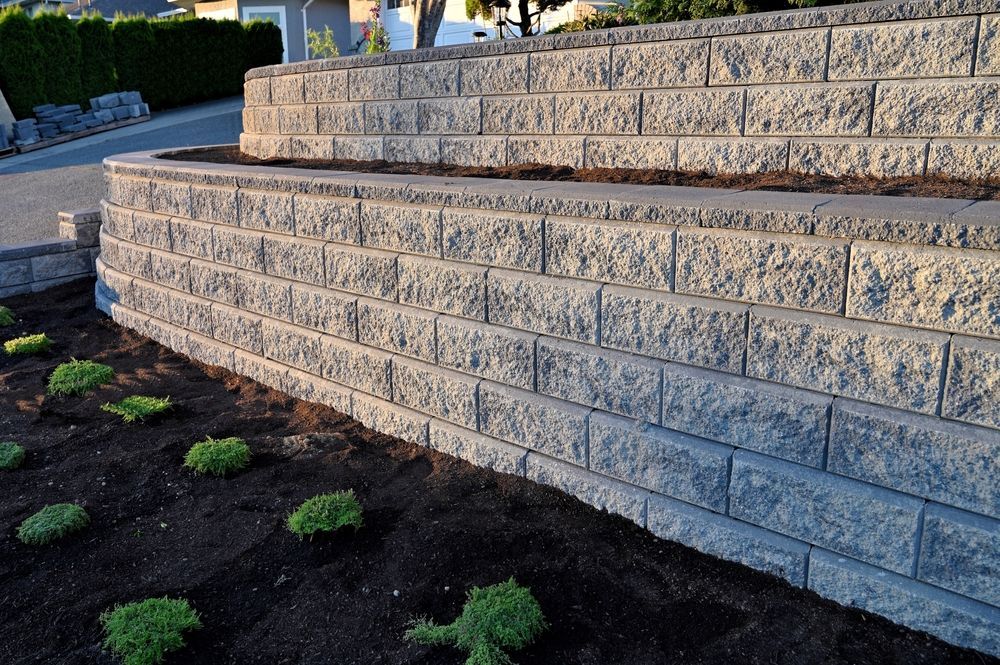
What Changes After Structural Installation
Installation with integrated drainage includes site assessment, structural design for soil load and water management, and material selection appropriate for wall height and exposure conditions. The owner understands local material sourcing and supply yard logistics, calculating fuel costs exceeding five dollars per gallon diesel into project feasibility, which affects material delivery scheduling and crew deployment for installations in outlying areas like Gold Canyon or Queen Valley.
After installation, you see grade transitions stabilized with soil retained behind the wall instead of washing down slopes during storms. Water exits through drainage systems rather than building pressure against the wall face, which prevents the bulging and displacement that appears in walls without proper drainage engineering. The structure remains plumb through freeze-thaw cycles that affect higher elevations and through soil expansion cycles driven by seasonal moisture changes.
Structural design includes calculations for soil bearing pressure and determines footing depth below grade to reach stable soil. Drainage integration involves aggregate backfill that allows water to move downward and exit through weep holes or drainage pipes rather than saturating soil directly behind the wall. Material specifications account for thermal expansion under summer heat and surface durability under UV exposure that degrades improperly selected materials.
Questions Before Starting Your Project
Retaining wall projects require technical decisions about engineering, materials, and drainage that determine both structural stability and long-term performance in Arizona conditions.
What structural engineering goes into retaining wall design?
Engineering calculates lateral soil pressure based on soil type and saturation conditions, determines footing depth for stable bearing capacity, and designs drainage systems that prevent water pressure buildup, with all calculations specific to wall height and soil conditions at your San Tan Valley property.
How does monsoon rain affect retaining wall drainage requirements?
Heavy monsoon rain saturates soil quickly, which increases lateral pressure against the wall and requires drainage capacity that moves water away from the structure fast enough to prevent pressure buildup that causes displacement or structural failure.
What material differences matter between paver and concrete retaining walls?
Paver walls offer modular construction that accommodates minor settling without cracking and allows easier repair, while poured concrete provides monolithic strength for taller walls with higher loads, with selection depending on wall height, soil conditions, and aesthetic requirements.
When do freeze-thaw cycles affect retaining walls in this region?
Higher elevations around Gold Canyon experience more frequent freeze-thaw cycles that cause expansion and contraction in wall materials, which requires material selection and jointing that accommodates movement without structural damage or surface degradation.
What affects retaining wall project costs in San Tan Valley?
Project costs reflect wall height and length, soil conditions requiring deeper footings or more extensive drainage, material selection between paver and concrete options, and site access that affects equipment deployment and material delivery logistics.
Premium Pavers LLC builds retaining walls with structural engineering expertise and integrated drainage designed for Arizona soil and climate conditions. Request a detailed estimate based on your property's grade changes and soil assessment.