
Protection Against Heat and Storm Damage
Seal Coating in San Tan Valley for driveways showing surface degradation from temperature extremes
Intense summer heat reaching 115 degrees and sudden monsoon downpours create a cycle that accelerates surface breakdown on unprotected driveways and hardscapes. Premium Pavers LLC applies seal coating to create a barrier against UV damage and moisture infiltration, which extends the functional lifespan of concrete and paver installations significantly. This service matters when you notice surface fading, fine cracks appearing after summer months, or water soaking into the material rather than beading on top.
Surface preparation involves pressure cleaning to remove dirt and previous coatings, followed by application timing scheduled around monsoon season and temperature windows. The seal coat cannot be applied during peak summer heat or when monsoon moisture is present, which creates specific scheduling constraints for San Tan Valley properties.
Arrange an on-site consultation to evaluate your driveway's current condition and determine the optimal application window.
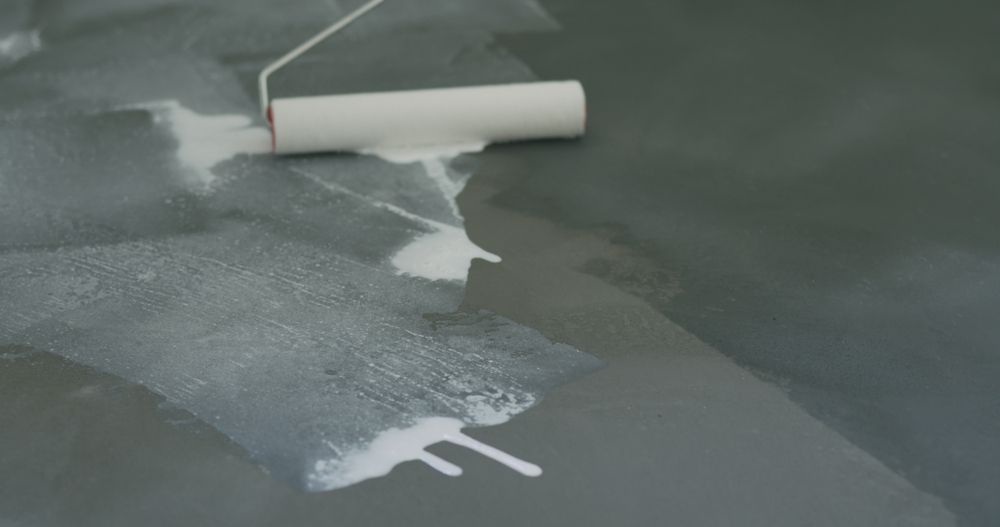
What Changes After Seal Coating Completes
The application creates a protective layer that blocks UV rays from degrading the surface material and prevents water from penetrating into the base during monsoon events. Timing the work correctly means avoiding periods when ambient temperatures cause premature drying or when humidity interferes with curing, both of which reduce coating effectiveness.
You notice water beads and runs off the surface after rain rather than soaking in, and the color appears refreshed compared to the faded appearance before treatment. The coating fills minor surface imperfections and creates a uniform finish that resists dirt accumulation during dust storms, which are common in the Valley during spring months.
Seal coating does not repair structural damage or correct underlying drainage problems, so existing cracks wider than hairline size require patching before application. Premium Pavers integrates seal coating into maintenance plans that account for the two-to-three-year reapplication cycle needed in Arizona's climate.
Answers to Frequent Service Questions
Clients usually want to understand application timing and how the coating holds up under regional weather patterns.
What temperature range is required for application?
Seal coating must be applied when temperatures are between 50 and 85 degrees with no rain forecast for 48 hours, which limits the work window in San Tan Valley to spring and fall months.
How long does seal coating last in Arizona?
The protective layer typically lasts two to three years before UV exposure and thermal cycling degrade its effectiveness, requiring reapplication to maintain protection.
Why does seal coating fail prematurely on some driveways?
Improper surface preparation or application during unsuitable weather conditions causes poor adhesion, leading to peeling or flaking within the first year.
What does seal coating protect against?
The coating blocks UV radiation that causes surface oxidation and prevents water infiltration that leads to freeze-thaw damage during winter temperature swings in San Tan Valley.
How soon can the driveway be used after application?
You should avoid vehicle traffic for 24 to 48 hours depending on ambient temperature and humidity levels, allowing the coating to cure fully before exposing it to weight and abrasion.
Premium Pavers LLC schedules seal coating work during optimal weather windows and manages maintenance plans that track reapplication timing based on your driveway's exposure and use patterns. Request a surface evaluation to determine whether your hardscape is ready for seal coating or requires repairs first.
