
Surfaces Built to Last Through Desert Extremes
Decorative Concrete in San Tan Valley for patios and driveways exposed to intense sun and temperature swings
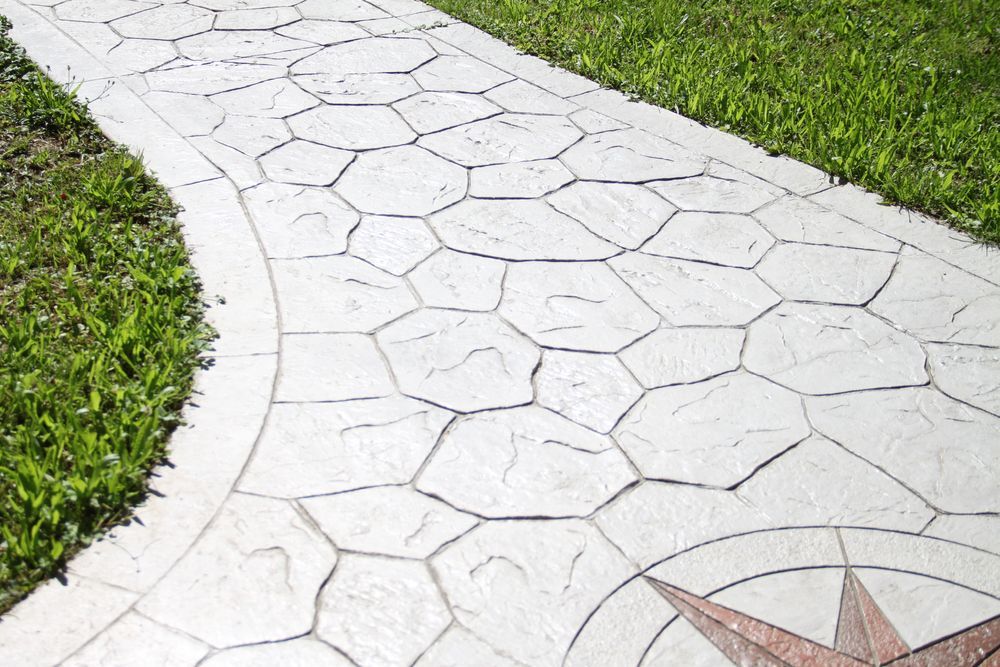
Premium Pavers LLC creates stamped, colored, and finished decorative concrete for residential patios, driveways, and walkways where Arizona's UV intensity and temperature extremes demand finishes engineered beyond appearance. When surface temperatures reach 140°F in summer and freeze overnight in winter, pattern depth, color formulation, and sealer chemistry determine whether decorative concrete survives or deteriorates within a few seasons. Homeowners in San Tan Valley face these conditions every year, making finish selection and application technique critical to long-term durability.
The work involves stamp pattern selection, color mixing, finishing technique, and sealant application calibrated specifically for desert UV exposure and thermal cycling. Each element directly affects how the surface responds to six months of relentless sun followed by sudden monsoon moisture and overnight temperature drops that can crack improperly cured or sealed concrete.
Schedule a property evaluation to review pattern options and sealer systems matched to your site's sun exposure and traffic patterns.
Why Pattern Depth and Sealer Chemistry Matter
Stamped concrete relies on timed application of release agents, precise stamp pressure to achieve pattern depth without tearing the surface, and color hardeners that bond into the top layer rather than sit on it. In San Tan Valley, shallow patterns fade faster under UV bombardment, and inadequate stamp pressure produces weak texture that erodes under foot traffic and monsoon runoff. Color selection extends beyond appearance to include UV-stable pigments that resist the bleaching effect of year-round high-altitude sun exposure.
After installation, you notice pattern edges hold their definition without surface spalling, color remains consistent across the entire area without fading patches, and sealed surfaces shed water during monsoons instead of absorbing it and cracking during freeze events. The sealer layer blocks UV penetration while remaining flexible enough to accommodate thermal expansion without delaminating from the concrete beneath it.
The process also includes base preparation that accounts for soil expansion potential and proper drainage grading to move monsoon runoff away from the decorative surface, preventing undermining and settlement that would crack even well-finished concrete.
What Homeowners Want to Know Before Starting
Choosing decorative concrete in this climate raises practical questions about durability, maintenance requirements, and timing considerations specific to Arizona's seasonal extremes.
What makes decorative concrete last longer in San Tan Valley compared to other finishes?
Pattern depth must reach at least a quarter inch to survive UV exposure and thermal cycling, and penetrating sealers with UV inhibitors prevent color degradation and surface spalling better than topical coatings that peel under temperature stress.
How does extreme heat affect stamping and finishing work?
Concrete sets faster in 110°F temperatures, compressing the window for stamping and color application; crews schedule finish work during early morning hours when ambient temperatures allow proper working time before surface curing prevents pattern imprinting.
When should you schedule decorative concrete installation to avoid weather complications?
Late fall through early spring offers the most predictable curing conditions in San Tan Valley, avoiding both monsoon moisture and summer heat that accelerates curing and increases cracking risk.
What ongoing maintenance does decorative concrete require in Arizona?
Resealing every two to three years maintains UV protection and prevents moisture infiltration; pressure washing before resealing removes accumulated dust and organic matter that would otherwise trap moisture against the concrete surface.
How do you choose between stamped patterns for desert conditions?
Deeper relief patterns with wider joints shed heat faster and hide minor surface wear better than fine textures, while lighter color tones reflect more solar radiation and reduce surface temperatures that stress sealers and accelerate wear.
Premium Pavers LLC brings technical skill in residential concrete aesthetics with custom finish work calibrated to Arizona's demanding climate conditions. Request a detailed estimate based on your property's sun exposure, slope, and drainage characteristics to plan decorative concrete that performs through decades of desert weather.
